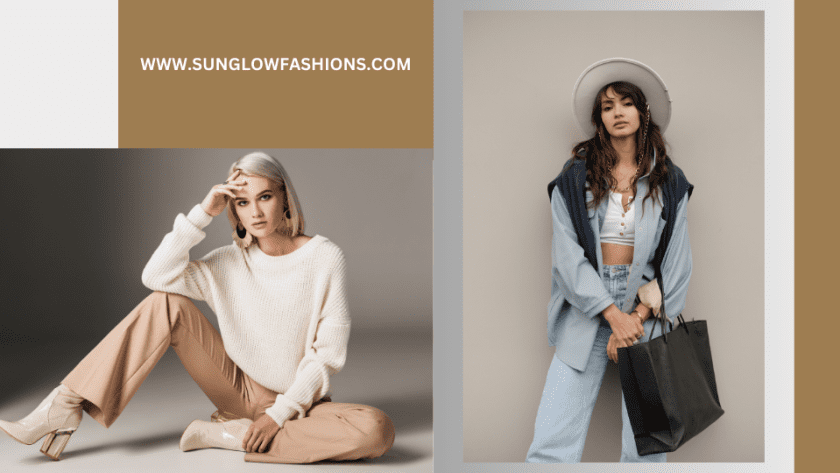
In the 21st century, fashion has evolved into far more than just clothing. It is a reflection of culture, personality, and creativity—an art form that influences not only how we dress but also how we live. From the runways of Paris and Milan to the everyday streets of New York and Tokyo, fashion trends define the times we live in.
A fashion magazine captures this ever-changing world, showcasing the latest designs, ideas, and inspirations that shape the global style scene. But beyond aesthetics, fashion today represents freedom, self-expression, and identity.
The Evolution of Fashion Trends
Fashion has always mirrored society’s mood, values, and creativity. The 1960s, for example, gave us “flower power”—a movement that went beyond flared pants and colorful tunics. It symbolized peace, love, and a new way of thinking.
Today’s fashion, in contrast, is bold, confident, and fearless. It reflects a generation that grew up in the digital age—people who aren’t afraid to express themselves, challenge norms, and celebrate individuality. From gender-fluid clothing to sustainable fashion collections, the new wave of style embraces diversity and innovation.
Designers understand their role in this transformation. They are not merely creating garments; they are creating statements. Each runway show, each new collection, is a mirror of the times and a prediction of what’s to come. That’s what keeps people around the world eagerly waiting for the next fashion season.
Fashion as an Expression of Identity
Fashion has always been a language of self-expression. The clothes we wear tell stories about who we are, where we come from, and how we see ourselves. Whether it’s a tailored suit that signals professionalism or a streetwear outfit that showcases creativity and rebellion, fashion allows people to project their inner world to the outside.
In today’s interconnected society, fashion magazines and digital platforms amplify these stories. Social media influencers, celebrity collaborations, and global fashion events create an ecosystem where style travels instantly across borders. A trend that begins in Seoul can be seen on the streets of London within days.
Fashion’s universality is what makes it so powerful. It unites people through shared creativity while allowing each individual to stand out. Just by looking at old photographs, you can often tell the decade they belong to—proof that fashion not only changes over time but also captures the essence of an era.
The Role of Fashion Magazines and Media
Fashion magazines remain at the heart of this global conversation. Publications like Vogue, Elle, Harper’s Bazaar, and GQ don’t just report trends; they define them. Through glossy spreads, editorial shoots, and in-depth interviews with designers, they guide readers into the ever-evolving world of fashion.
People who want to stay ahead of trends often subscribe to these magazines, attend fashion shows, and follow designer collections closely. They observe what’s new in stores and what continues to dominate wardrobes. Fashion magazines also highlight the relationship between celebrities and designers—a bond that has long driven what the public perceives as “in style.”
When a celebrity wears a designer’s outfit, it can influence millions of followers and instantly shape the next big fashion movement. That is the power of visibility and media in the modern fashion world.
The Delicate Balance of Trendsetting
In fashion, timing is everything. Being ahead of the curve is exciting, but being too far ahead can sometimes backfire. If a trend is too avant-garde, the general audience may find it unfamiliar or even strange. In contrast, being too late to adopt a trend can make one appear outdated.
Fashion insiders often say that the secret to timeless style lies in balance—understanding trends but personalizing them to fit one’s individuality. True style icons are not those who follow every trend blindly but those who adapt trends to express who they are.
Fashion’s Everlasting Influence
Fashion’s influence goes far beyond fabrics and designs. It affects how we think, act, and communicate. The colors we choose, the silhouettes we prefer, and even the brands we support reflect our values. Sustainable fashion, for instance, shows society’s growing concern for the planet, while gender-neutral collections highlight inclusivity and equality.
As long as designers continue to innovate and audiences remain inspired, fashion will remain one of the most powerful forces in culture. It shapes conversations, defines identities, and drives creativity across industries—from art and music to architecture and technology.
Fashion doesn’t just reflect society—it leads it. And that is why it will continue to rule the world for generations to come.
Final Words
A fashion magazine is more than a glossy publication—it is a window into the world’s most creative industry. It tells the story of who we are today and hints at who we might become tomorrow. As trends evolve, one truth remains constant: fashion will always be a celebration of individuality, imagination, and the power of self-expression.