What Is Personal Style?
Personal style is more than just what you wear—it’s a powerful form of self-expression. Every individual has a unique way of presenting themselves through choices like clothing, accessories, hairstyle, and even the way they carry themselves. In the world of fashion, “style” is often used interchangeably with “design,” but while fashion trends may come and go, personal style is timeless.
It’s about wearing what makes you feel confident, comfortable, and authentic. A truly stylish person doesn’t always follow the latest trends—they know what works best for them and use fashion as a way to express their identity. Personal style reflects your personality, lifestyle, and values, helping you make a statement without saying a word.
Why Personal Style Matters
Having your own style brings clarity and confidence to how you present yourself. When you know what works for you, you avoid the constant pressure of keeping up with fast-changing fashion trends. Instead of being a follower, you become a creator of your own aesthetic.
Your wardrobe begins to represent your mood, taste, and attitude. Whether it’s minimalist, bohemian, vintage, or edgy, your style helps people understand a part of who you are. Ultimately, finding your personal style makes dressing up every day easier and more enjoyable because it feels more like you.
How to Find Your Own Style in 5 Steps
Discovering your personal style takes time, observation, and experimentation. You don’t need to do it overnight. The process is about exploring what truly fits your body, personality, and lifestyle. Here’s how to start building a style that feels authentically yours:
1. Start with What You Already Own
Your closet says more about your personal style than you realize. Take a closer look at the pieces you already have.
- Which outfits make you feel confident and happy?
- Which colors or patterns do you naturally reach for?
- Are there certain items you wear more often than others?
Lay out your favorite pieces and analyze what they have in common—maybe you prefer soft fabrics, earthy tones, or tailored silhouettes. This will give you a clear sense of what makes you feel good. You’ll also notice which items don’t represent your style anymore. Decluttering your wardrobe helps you focus on what truly reflects you.
2. Explore Fashion Inspiration
The next step is discovering what inspires you. Look around for style ideas that resonate with your personality.
- Observe the way your friends, colleagues, or family members dress.
- Browse social media platforms like Pinterest, Instagram, or fashion blogs.
- Save outfits that catch your eye and make you think, “I’d wear that.”
Celebrities and influencers can also be great sources of inspiration. If you admire someone’s fashion sense, study their looks and note what elements you like—such as color combinations, layering techniques, or accessories.
Fashion magazines and digital lookbooks can also help you explore different style categories—like chic, classic, urban, or sporty. You might find that you’re drawn to one aesthetic more than others, or you might discover a blend that defines your own unique vibe.
3. Create a Mood Board
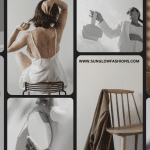
A fashion mood board is one of the most effective tools for shaping your style identity. Gather photos, magazine clippings, or online images that inspire you. These could include outfits, textures, accessories, or even lifestyle visuals that capture the feeling you want your style to represent.
Once you’ve collected your visuals, you’ll likely start to see patterns. Perhaps many of your chosen looks feature denim, monochrome tones, or flowy dresses. This means your subconscious is already gravitating toward a certain aesthetic.
Narrow it down to a few key looks that best express your desired style. Keep them saved on your phone or as a Pinterest board so you can refer to them while shopping. This ensures your purchases align with your vision and prevents impulsive buying.
4. Build a Capsule Wardrobe
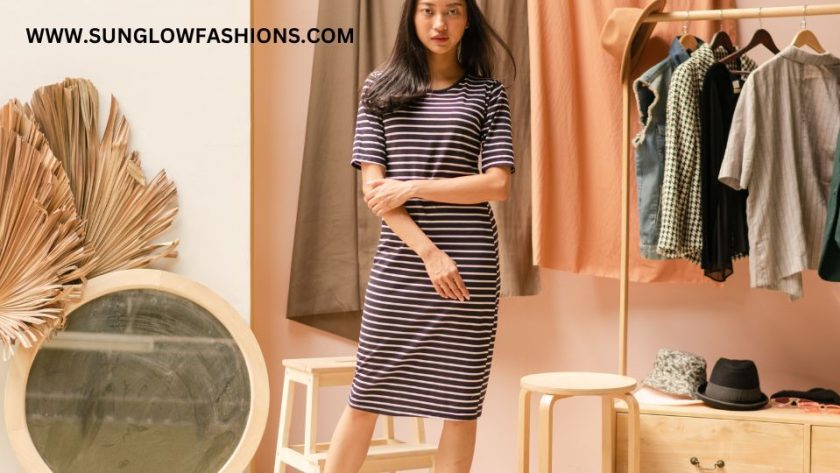
A capsule wardrobe is the foundation of personal style. It’s a curated collection of versatile clothing items that can be mixed and matched easily. Instead of having an overflowing closet full of pieces you rarely wear, focus on timeless essentials that complement your everyday life.
Here are a few classic staples to start with:
- A well-fitted pair of jeans
- A little black dress
- A white shirt or blouse
- Neutral blazers and jackets
- Basic t-shirts
- Comfortable sneakers or loafers
- A leather tote or crossbody bag
These basics allow you to create multiple looks without needing dozens of items. You can then add statement pieces—like patterned scarves, bold jewelry, or colorful shoes—to express your personality.
When you focus on quality over quantity, you’ll notice how much easier it is to put outfits together. Your wardrobe becomes more cohesive, stylish, and practical.
5. Experiment and Evolve
Once you’ve built a foundation, it’s time to have fun experimenting. Try new combinations, mix textures, and play with colors that you might not have considered before. The goal isn’t perfection—it’s exploration.
Don’t be afraid to make fashion mistakes. Over time, you’ll naturally develop an understanding of what enhances your appearance and what doesn’t. For instance, maybe you love flowy silhouettes but realize structured cuts suit your frame better. Or perhaps you thought bright colors weren’t your thing until you found a shade that brings out your features.
Personal style is never static—it evolves as you grow and change. The more you explore, the more confident you’ll become in making choices that reflect your personality. Remember, your style should make you feel empowered, not restricted by rules.
Bonus Tip: Accessorize Thoughtfully
Accessories are a powerful way to define your look. From sunglasses and watches to scarves and handbags, small additions can transform a simple outfit into something special. Choose accessories that complement your wardrobe and personality. If your style leans minimalist, go for delicate jewelry. If it’s bold and expressive, experiment with chunky pieces or bright colors.
Conclusion: Make Style a Reflection of You
Your personal style is an ongoing journey of self-expression. It’s not about copying trends or dressing to impress others—it’s about feeling confident, authentic, and comfortable in your own skin.
Start by identifying what makes you happy when you get dressed. Gather inspiration, build a capsule wardrobe, and don’t hesitate to experiment. Over time, you’ll naturally develop a signature style that tells your story—one outfit at a time.
True style isn’t just about how you look—it’s about how you feel.