Your first day at a new job is exciting—and a little nerve-wracking. You want to make a great first impression, feel confident, and fit right in with your new team. One of the most important ways to do that is by dressing appropriately for your workplace.
But what exactly should you wear on your first day at work? The answer depends on your industry, company culture, and the kind of environment you’re stepping into. Here’s a detailed guide on how to choose the perfect first day at work outfit that makes you look polished, professional, and ready to succeed.
Understand Your Work Environment
Before deciding what to wear, take a moment to understand the company’s dress code and culture. Every workplace has its own expectations. Some offices may follow a strict business formal policy, while others might lean toward a relaxed, business casual look.
If you’re unsure, do some quick research:
- Ask HR or a coworker what the general dress code is.
- Check the company’s social media pages or online reviews to see how employees typically dress.
Remember—asking is not a sign of inexperience. In fact, it shows initiative and your willingness to blend into the company culture from day one.
Dress Appropriately for Your Role
The best first-day outfit strikes the right balance between professional and comfortable. Here are a few general suggestions:
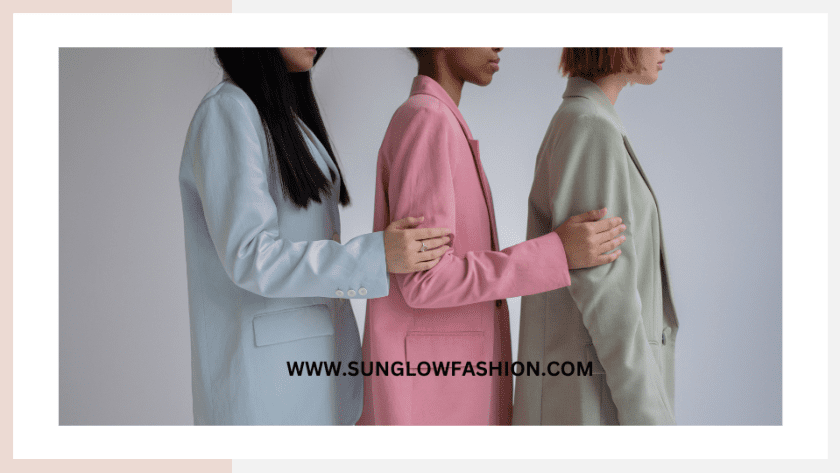
- Corporate offices: Opt for formal wear such as a button-down shirt with tailored trousers or a pencil skirt. Add a blazer for a clean, confident look.
- Creative industries: Choose smart-casual pieces that express personality without appearing too casual. A sleek blouse with dark jeans or chinos works well.
- Service or technical roles: Go for neat, functional attire that allows easy movement—clean uniforms, polos, or practical workwear.
Whatever your role, aim for an outfit that shows you take your new position seriously while still being comfortable enough to perform your duties effectively.
Look Clean, Polished, and Well-Groomed
No matter what your dress code is, neatness never goes out of style. Your clothes should be clean, pressed, and in good condition. Pay attention to personal grooming—tidy hair, trimmed nails, and polished shoes go a long way in creating a positive impression.
It’s not about being overly stylish; it’s about appearing reliable, organized, and self-respecting. A well-groomed look signals professionalism and attention to detail, qualities that every employer appreciates.
Dress Professionally but Comfortably
While looking sharp is important, comfort is equally essential. If your clothes are too tight, itchy, or brand new, you’ll spend the day adjusting instead of focusing on learning. Choose fabrics that are breathable and comfortable for long hours.
A good rule of thumb: Wear something you’ve tried before and feel confident in. Avoid experimenting with brand-new outfits or shoes that might cause discomfort.
Confidence Comes from Comfort
The best outfit is one that makes you feel confident, capable, and productive. When you’re comfortable in what you’re wearing, your body language naturally improves—you stand taller, smile more, and project confidence.
Remember, your performance matters more than your outfit. Clothes should support your success, not distract you from it. Choose an ensemble that empowers you to focus on your work rather than your appearance.
When in Doubt, Overdress Slightly
If you’re unsure of the exact dress expectations, it’s always better to overdress slightly on your first day. It’s easier to tone down a formal look later than to recover from showing up underdressed.
For example, wear a blazer or formal jacket—you can always remove it if the office atmosphere feels more casual. Dressing well shows respect for your role and enthusiasm for joining the company.
Adapt After the First Day
Once you’ve spent a day in your new environment, you’ll have a better sense of what’s appropriate. Observe what your colleagues wear and adjust your wardrobe accordingly. Most companies have an informal dress culture that becomes clear once you settle in.
Your goal should be to align with your team’s style while keeping a touch of individuality. As you grow into your role, your outfit can evolve with your confidence and position.
Dress Smart, Feel Great
- Keep accessories minimal and professional.
- Avoid strong perfumes or flashy jewelry.
- Ensure shoes are clean, polished, and comfortable.
- Prepare your outfit the night before to avoid morning stress.
Starting a new job is an opportunity to show your professionalism from day one. Your outfit doesn’t need to be expensive or extravagant—it just needs to reflect confidence, cleanliness, and class.
When you dress thoughtfully, you send a clear message: you’re ready, reliable, and respectful of the workplace culture. That’s the best way to make a memorable first impression.